Source Soft Comfortable Golf Putting Cup for Practice
Find a soft comfortable golf putting cup from 30 verified suppliers. Compare models like EGL and DIAS, check custom packaging options, and review MOQs ranging from 50 to 200 pieces for bulk orders; compare the available evidence and request quotations based on your requirements.
Key considerations
Products List
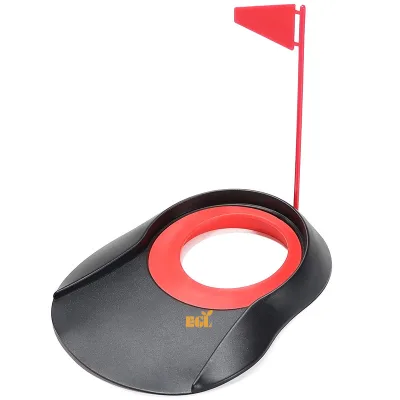
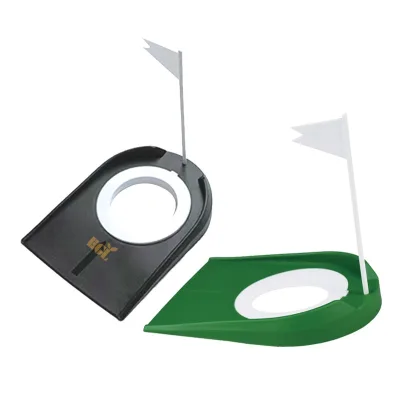
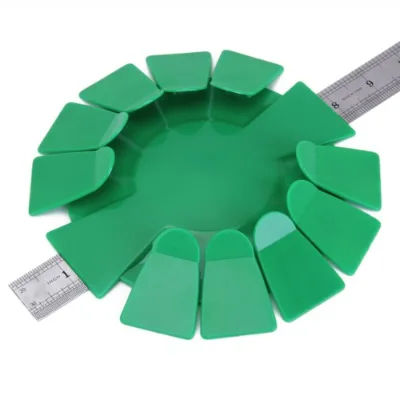
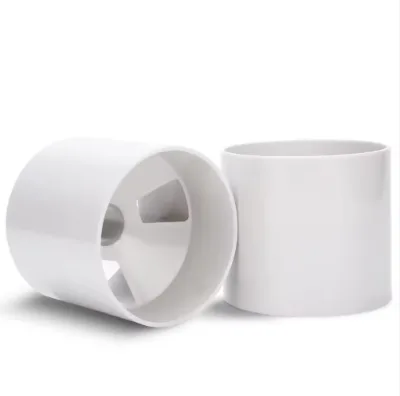
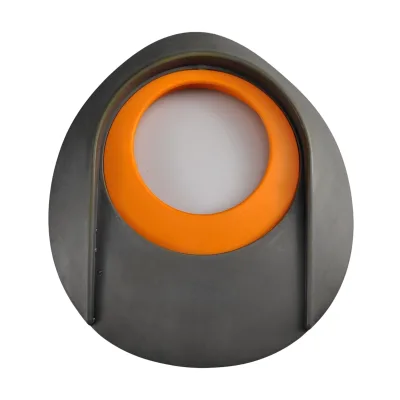
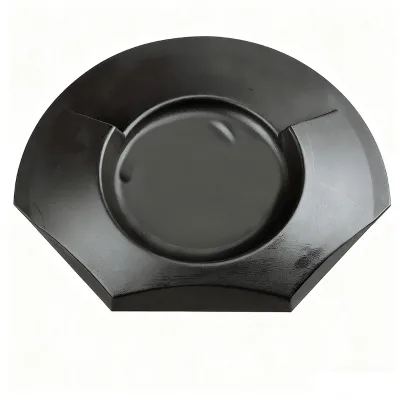
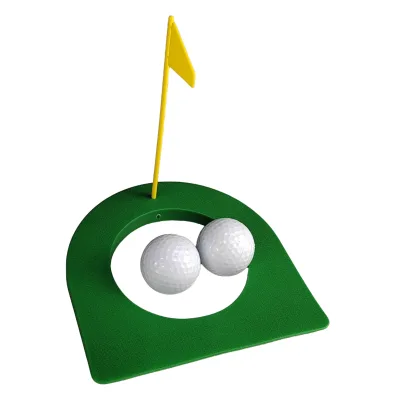
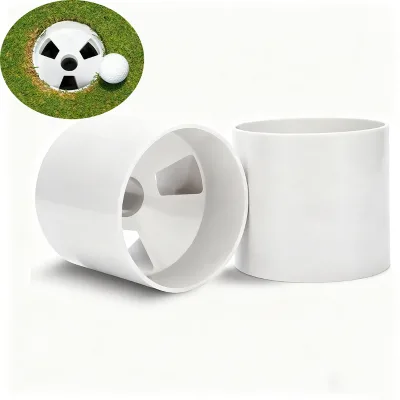
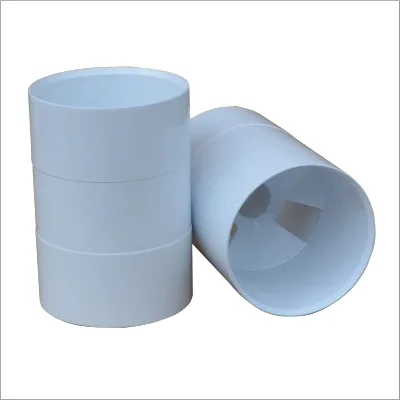
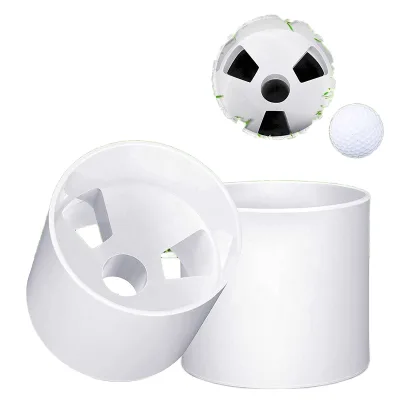
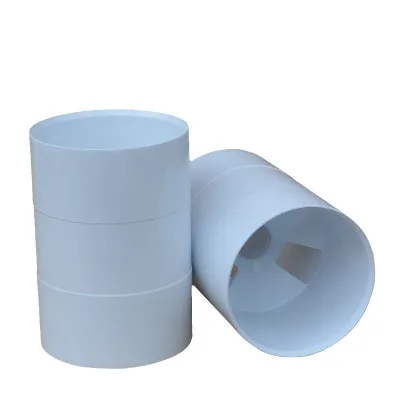
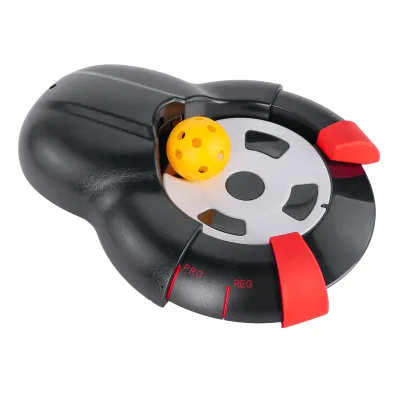


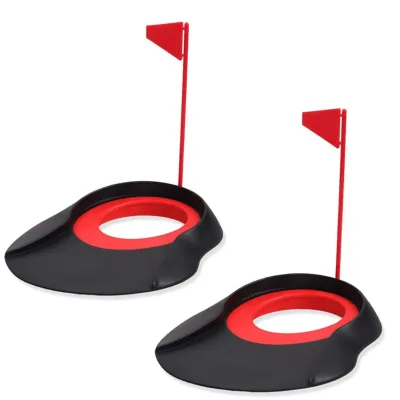
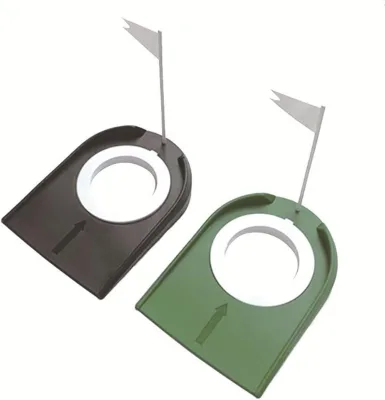
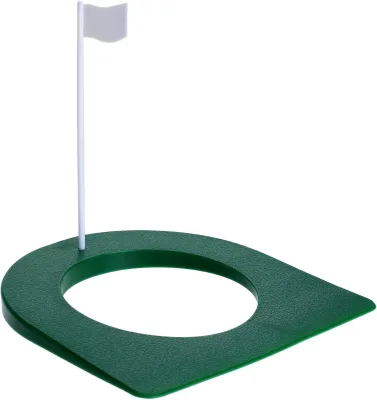
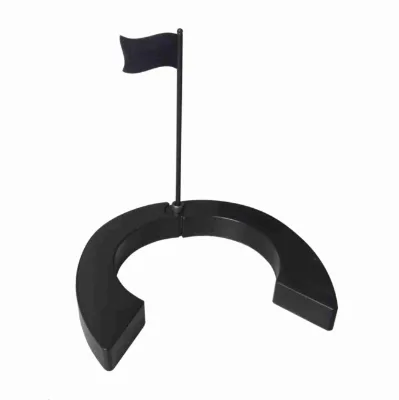
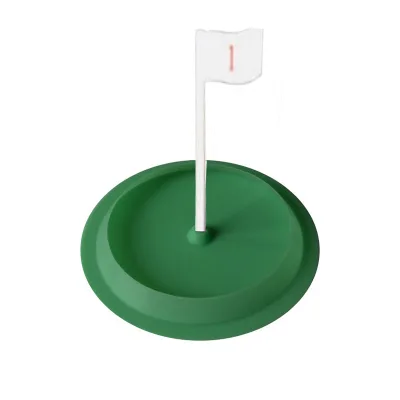
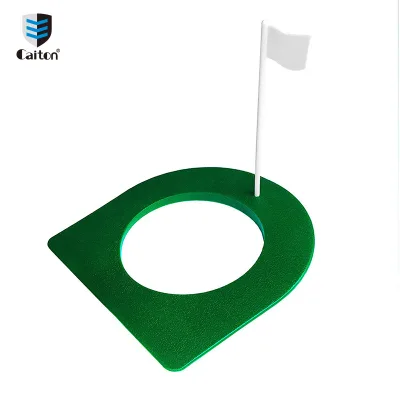
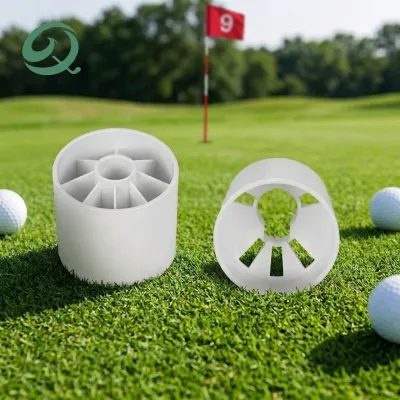
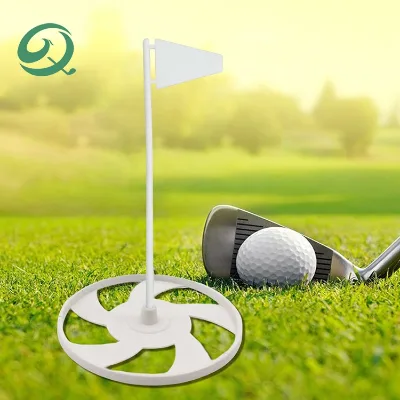
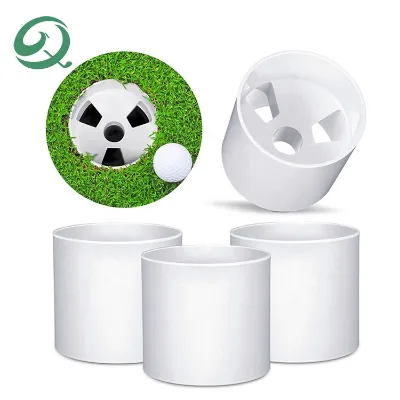
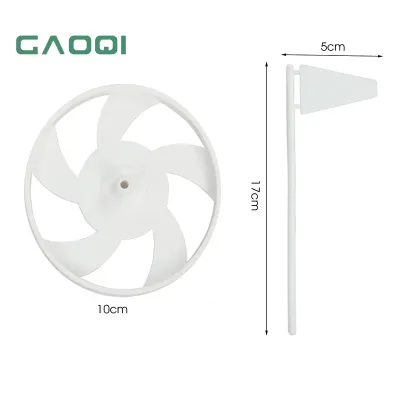
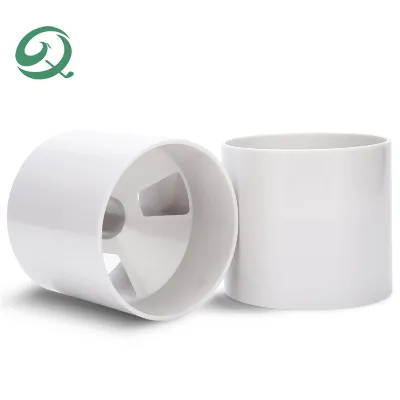
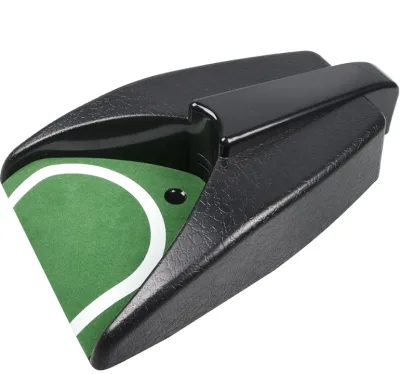
Comprehensive Sourcing Guide
Soft Comfortable Golf Putting Cup Sourcing Guide
Procuring a soft comfortable golf putting cup requires balancing the need for realistic putting resistance with the safety features necessary for indoor or casual outdoor practice. The observed market data indicates that suppliers in Guangdong, China, offer models with customizable colors and shapes, allowing buyers to align the product with specific branding or aesthetic requirements. While the core function remains consistent, the "soft" attribute often implies the use of flexible materials like rubber or specific plastic blends, which differ significantly from rigid traditional cups.
Buyers must carefully distinguish between products designed for high-intensity training and those intended for light recreational use. The available listings show a wide range of single package sizes and weights, suggesting that the internal construction varies by model. A procurement strategy should prioritize verifying the material composition to ensure the cup provides the desired tactile feedback without compromising durability. This initial filtering prevents the selection of units that are either too flimsy for repeated use or too rigid to offer the comfort implied by the search term.
Product Scope and Observed Listing Signals
The current market landscape for golf putting cups includes diverse specifications, with model numbers ranging from EGL- Golf putting cup to CUP0124 and FLA1. These listings reveal that suppliers offer customization in size, color, and packaging, with some units featuring specific dimensions like 10x10.8x10.8cm or 15X15X15 cm. The presence of "Simple style" and "Custom Size" attributes suggests that the product scope extends beyond standard regulation sizes to include portable, travel-friendly options suitable for various environments.
Observations of the product listings highlight a significant variation in material composition, with ABS plastic, rubber, and general plastic options available. The "Soft" descriptor in the core keyword likely correlates with the rubber or flexible plastic materials observed in specific entries, which are marketed as durable and portable. Buyers should note that while some products are explicitly labeled for outdoor use, others support both indoor and outdoor applications, necessitating a clear definition of the intended usage environment before finalizing a purchase order.
Technical Specifications to Verify
When evaluating technical specifications, the material composition is the primary determinant of the "soft" and "comfortable" characteristics required for this product category. Buyers should verify whether the cup utilizes rubber or specific plastic formulations that offer the necessary flexibility and shock absorption. The observed data lists materials such as ABS and rubber, but the specific density and durometer of these materials are not always disclosed, requiring direct inquiry to ensure the product meets the tactile expectations of the end-user.
Dimensional consistency and weight are critical factors for ensuring the cup performs reliably during practice sessions. The observed single gross weights range from 0.040 kg to 1.000 kg, indicating a wide variance in construction quality and material density. Procurement teams must confirm that the selected model's dimensions, such as the 17X17X1 cm or 20X15X8 cm package sizes, align with the intended storage and transport requirements. Additionally, verifying the single package size is essential for calculating accurate shipping costs and ensuring the product fits within standard logistics constraints.
Compliance and Safety Documentation
Safety compliance for golf equipment, particularly items designed for indoor or close-proximity use, often involves verifying that materials are free from harmful substances. While the provided data does not list specific certification numbers, buyers should request documentation confirming that the rubber or plastic components meet relevant international safety standards for consumer goods. This is especially important for products marketed with features like "Anti-Slip" or "Waterproof," as these claims often rely on chemical treatments or material additives that require regulatory validation.
Documentation regarding the product's durability and performance under stress is another critical area for verification. The observed features include "Durable" and "Lightweight," but these are general claims that require supporting test data to substantiate. Buyers should ask suppliers for evidence of material testing, such as tensile strength reports or impact resistance data, to ensure the cup will not degrade or break during normal practice use. Without this documentation, the risk of product failure and subsequent liability increases significantly.
Cost Drivers and Commercial Terms
The commercial terms for sourcing these products are heavily influenced by the Minimum Order Quantity (MOQ) and the level of customization required. The observed MOQs vary from 50 pieces to 200 pieces, with some listings indicating a standard of 100 pieces. Buyers must calculate the total landed cost by factoring in these volume thresholds, as ordering below the MOQ may result in significantly higher unit prices or the inability to secure the order entirely. Customization of colors, logos, and packaging adds complexity and cost, which must be negotiated upfront to avoid budget overruns.
Pricing structures in this category are also driven by the specific material choices and packaging requirements. The observed price range of 0.06 to 20.31 USD reflects the disparity between basic, unbranded units and those with custom branding or specialized features. Buyers should clarify whether the quoted price includes custom packaging, as the data indicates that "Custom Packing" and "Accept custom package" are common options. Understanding the cost implications of these value-added services is essential for maintaining a competitive margin while meeting specific brand requirements.
Supplier Qualification and Quality Control
Supplier qualification for golf equipment manufacturers in Guangdong, China, should focus on their production capacity and history of fulfilling custom orders. The presence of multiple model numbers and brand names, including EGL and DIAS, suggests a mature supply chain capable of handling diverse specifications. Buyers should verify the supplier's ability to maintain consistent quality across different batches, particularly when custom colors or logos are involved, as these processes introduce variables that can affect the final product's appearance and performance.
Quality control protocols must be established to ensure that the "soft" and "durable" claims are met in every unit produced. Given the variation in single gross weights and package sizes observed in the listings, a robust inspection plan is necessary to catch inconsistencies in material density or assembly. Buyers should request a pre-shipment inspection report that specifically tests the flexibility and structural integrity of the cups. This step is crucial for mitigating the risk of receiving substandard products that fail to meet the comfort and safety expectations of the end-user.
Long-Term Procurement Checks
Establishing a long-term procurement relationship requires regular audits of the supplier's ability to maintain consistent quality and delivery timelines. The observed data shows a variety of lead times and production capabilities, but sustained success depends on the supplier's ability to replicate the initial sample quality over multiple production runs. Buyers should implement a system for periodic quality checks and feedback loops to ensure that any deviations in material or finish are identified and corrected before they impact the broader inventory.
Future-proofing the supply chain involves monitoring the supplier's adaptability to changing market demands and regulatory requirements. As the golf equipment market evolves, suppliers may need to update their materials or manufacturing processes to meet new sustainability or safety standards. Buyers should maintain open communication channels with suppliers to stay informed about potential changes in material availability or production costs. This proactive approach ensures that the procurement strategy remains resilient and capable of adapting to external market shifts without disrupting the supply of essential golf training equipment.
FAQs
Can the golf putting cup color be customized?
Yes, the color can be customized to meet your specific branding or aesthetic requirements. Suppliers offer options for customized colors and patterns, allowing you to tailor the appearance of the product. This flexibility ensures the item aligns perfectly with your corporate identity or promotional campaign needs.
What is the minimum order quantity for these cups?
The minimum order quantity varies by supplier, typically ranging from 50 to 200 pieces. Some listings indicate an MOQ of 100 pieces, while others may require 50 or 200 units. Buyers should verify the specific MOQ with the chosen manufacturer to ensure it fits their procurement volume.
Where are these golf putting cups manufactured?
These products are primarily manufactured in Guangdong, China. This region is known for its robust manufacturing capabilities and supply chain efficiency. Buyers sourcing from this location can often benefit from competitive pricing and reliable production schedules for bulk orders of golf accessories.
What materials are used to make the putting cup?
Common materials include ABS plastic, rubber, and general plastic. These materials are selected for their durability and portability. ABS offers structural integrity, while rubber provides grip and shock absorption. The choice of material impacts the weight and feel, ensuring a practical tool for practice.
Is the golf putting cup suitable for outdoor use?
Yes, the cup is designed for both indoor and outdoor usage. Its portable and durable construction allows for practice in various environments. Features like waterproofing and anti-slip properties enhance its utility on different surfaces, making it a versatile tool for golfers practicing their putting skills anywhere.
Can I add my logo to the golf putting cup?
Yes, custom logos are accepted for branding purposes. Suppliers offer customization services that allow you to print your logo on the product. This feature is ideal for corporate gifts or promotional items, helping to increase brand visibility while providing a useful tool for golf enthusiasts.